
Short answer: Colombia is big and mountainous – three Andean ranges run through the country, so distances on the map are much longer on the road. For trips between regions, domestic flights are usually the fastest and safest option, and they are often surprisingly cheap. Within a region, private transfers and day trips by road work well, as long as you travel in daylight. Some destinations – the Amazon around Leticia, Providencia, much of the Pacific coast – can only be reached by plane or boat. This guide explains every option.

Domestic flights
Colombia has a dense network of domestic flights. The main airlines in 2026 are Avianca and LATAM, the low-cost airlines JetSMART and Wingo, the regional airline Clic, and the state airline Satena, which flies to many remote towns. Bogotá–Medellín, about an hour in the air, is one of the busiest routes in the world, with around a hundred flights a day.
- Book early for Christmas, New Year, Holy Week and the June–July school holidays – fares rise sharply.
- Check the baggage rules. Low-cost fares often include only a small personal item; a cabin bag or checked suitcase costs extra, and it is cheaper to add it when you book.
- Small planes to places such as Providencia have strict weight limits. Satena, which flies between San Andrés and Providencia, allows 15 kg of checked baggage plus 5 kg of hand luggage; extra baggage can be purchased, subject to availability. Pack light, or leave a bag at your hotel in San Andrés.
- Medellín has two airports: José María Córdova (MDE) in Rionegro, about 45–60 minutes from the city, for most flights; and Olaya Herrera (EOH) in the city, for some regional routes, including Clic and Satena flights to the Pacific coast.
- Arrive at least 90 minutes before domestic flights, and have your passport ready – it is your ID on domestic flights too.
By road: private transfers and day trips
Distances are short on the map, but mountain roads, trucks and roadworks make travel times long. Some typical times by car:
- Medellín – Guatapé: about 2 hours
- Medellín – Jardín: about 3–3.5 hours
- Medellín – Santa Fe de Antioquia: about 1.5 hours
- Medellín – Salento (Coffee Region): about 5–6 hours
- Cartagena – Santa Marta: about 4–5 hours
- Bogotá – Villa de Leyva: about 3–4 hours
The main routes between the big cities are generally passable in daylight, but landslides in the rainy season, strikes and road blocks can cause delays at short notice. On our trips, all transfers between regions are in daylight with drivers we have worked with for years, and we use flights where long road journeys make little sense.
Should I rent a car?
We don’t recommend it for a first trip. Road conditions, signage, city traffic, motorbikes and the “pico y placa” driving restrictions in the big cities make driving demanding. A private driver costs less than you might think and lets you enjoy the scenery.
Long-distance buses
Colombians travel a lot by bus, and the network reaches almost every town from the bus terminals (terminales de transporte) of the big cities. Buses are cheap but slow, and on mountain routes the journey can be uncomfortable. If you travel by bus, buy tickets at the official counters or apps of established companies, keep valuables with you rather than in the luggage rack, and avoid night buses, as official travel advice recommends.

Getting around the cities
- App taxis: apps such as Uber, DiDi, Cabify and InDrive are widely used in the big cities. Their legal status in Colombia is still not fully regulated, but official travel advice considers rides booked through an app safer than hailing a taxi in the street, because the driver is registered. Sit in the back seat.
- Taxis: use official taxi ranks (for example at airports and shopping centres) or call a taxi via an app – never hail one on the street at night.
- Medellín metro: clean, safe and efficient, with cable cars (Metrocable) up to the hillside neighbourhoods – a great experience in itself. Avoid rush hours with luggage.
- Bogotá: TransMilenio buses are very crowded at peak times and popular with pickpockets; app taxis are more comfortable for visitors.
- Walking: fine in tourist areas during the day; at night, take a taxi for even short distances in unfamiliar areas.
Islands, the Amazon and the Pacific: plane and boat
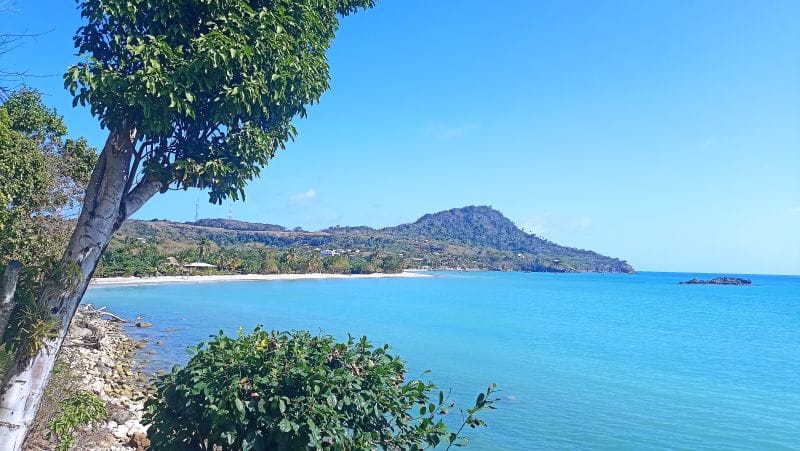
- Providencia: only via San Andrés – a short flight of about 20–25 minutes in a small plane, or a catamaran of about 3 hours, which can be rough. Visitors to the San Andrés archipelago pay a tourist card fee on arrival. See our Providencia diving trip.
- Leticia and the Amazon: only by air, usually from Bogotá. Around Leticia, you travel by boat on the Amazon and its tributaries.
- Pacific coast (Bahía Solano, Nuquí): no road connection – small planes from Medellín, then boats along the coast. See our Bahía Solano diving trip.
- Rosario Islands and the Caribbean coast: speedboats from Cartagena; the ride can be bumpy, so keep your back straight and your valuables in a dry bag.
- Llanos: a flight to Yopal, then a 4×4 transfer to the lodge, as on our Orinoco Wild Safari.
Walking and trekking
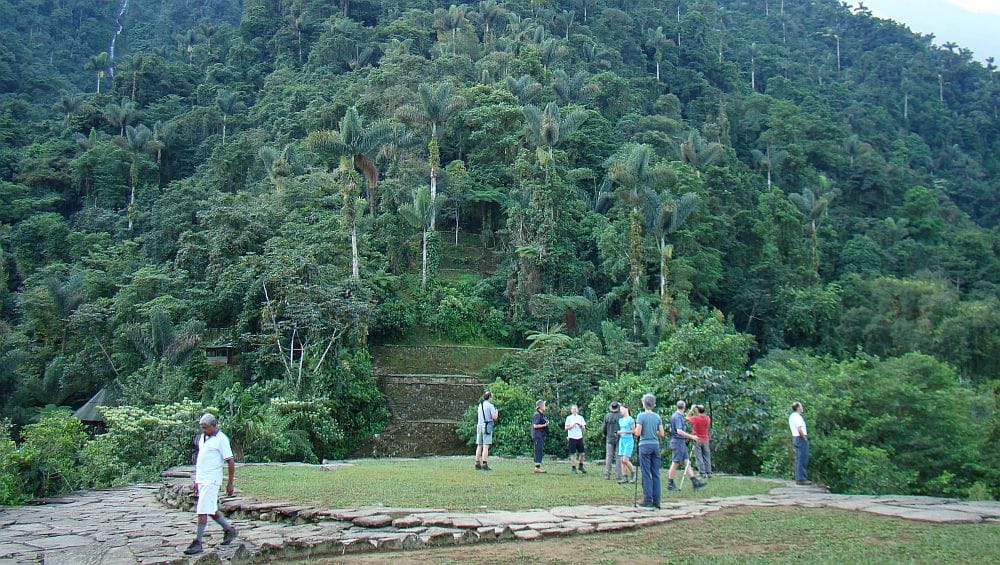
Some of Colombia’s best experiences are on foot: the Cocora Valley, the coffee trails of Jardín or the multi-day Lost City trek. Always walk remote trails with a local guide, check the season (some treks close at certain times) and bring good shoes for muddy paths.
How we organise transport on your trip
On our tailor-made trips we combine domestic flights, private transfers and boats so that you spend your time exploring, not waiting. We book the flights at the best times, plan transfers in daylight and choose the routes according to the current situation. Read also our guides to the best time to visit and safety in Colombia, ask for your itinerary or write to us on WhatsApp.
Last updated: November 2026. Airlines, routes and baggage rules change – always check the conditions of your ticket.


